
Meat portioning systems
Match the meat portioning system to the product you sell: minced meat portions, burgers, rissoles, meatballs or other formed products. Vemag Australia’s catalogue includes vacuum fillers, minced meat portioners and forming attachments, with product trials to help specify a suitable configuration.
Start with the portion you need to produce
Portion weight is one part of the specification. Shape, texture, product temperature and the way each portion reaches a tray or conveyor also determine the equipment. A burger line needs a different forming stage from a line cutting minced meat into portions.
This page focuses on portioning and forming minced or formable mixtures. For cutting intact meat, compare the slicers, dicers and strip cutters catalogue and discuss the cut you need.
Minced meat portions
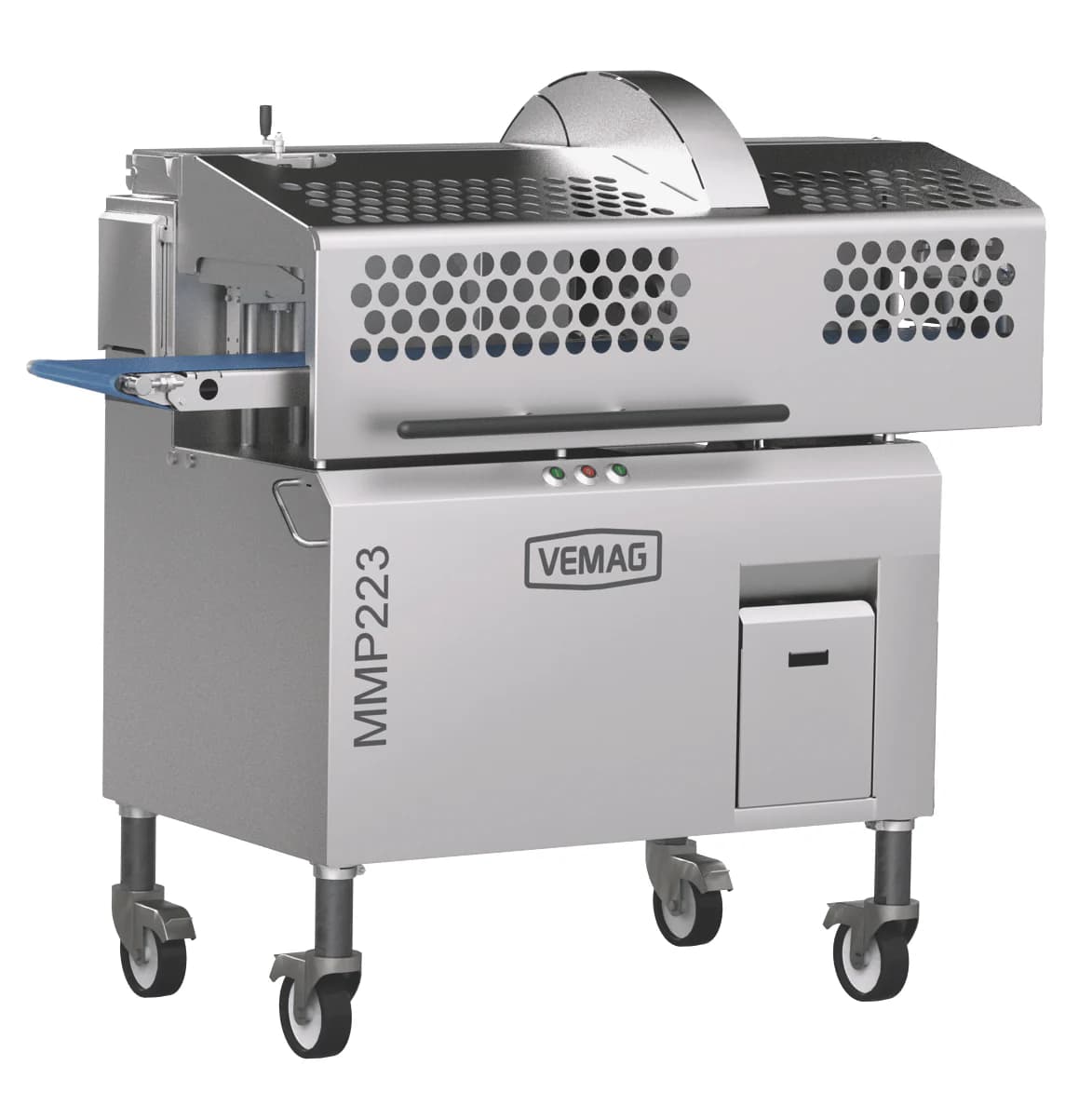
The MMP223 portions minced meat and is listed for combination with HP-series fillers. Discuss the portion dimensions and downstream handling.
Burgers and rissoles
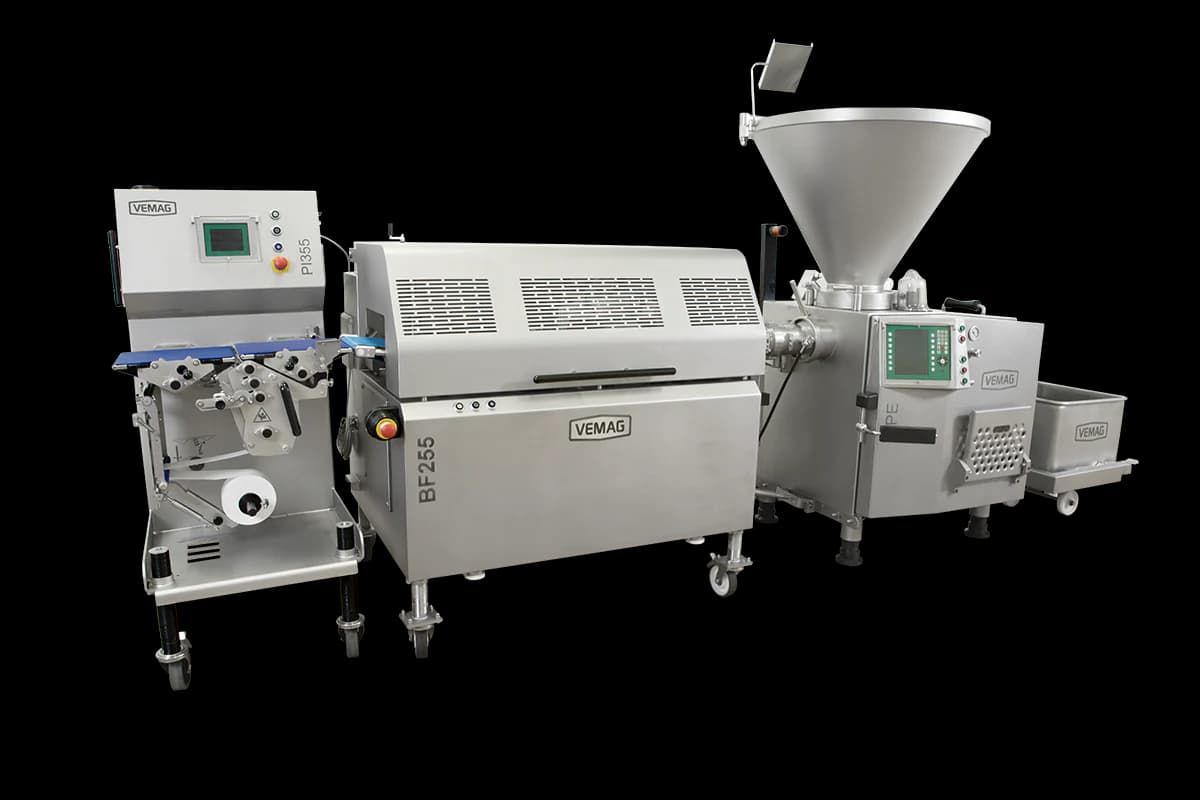
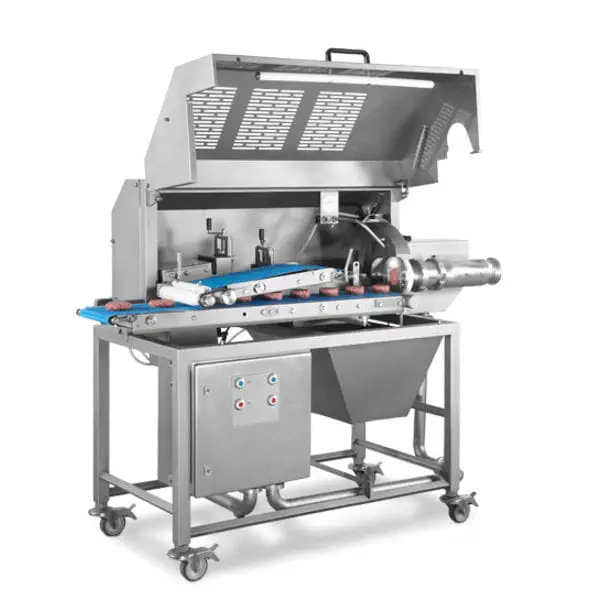
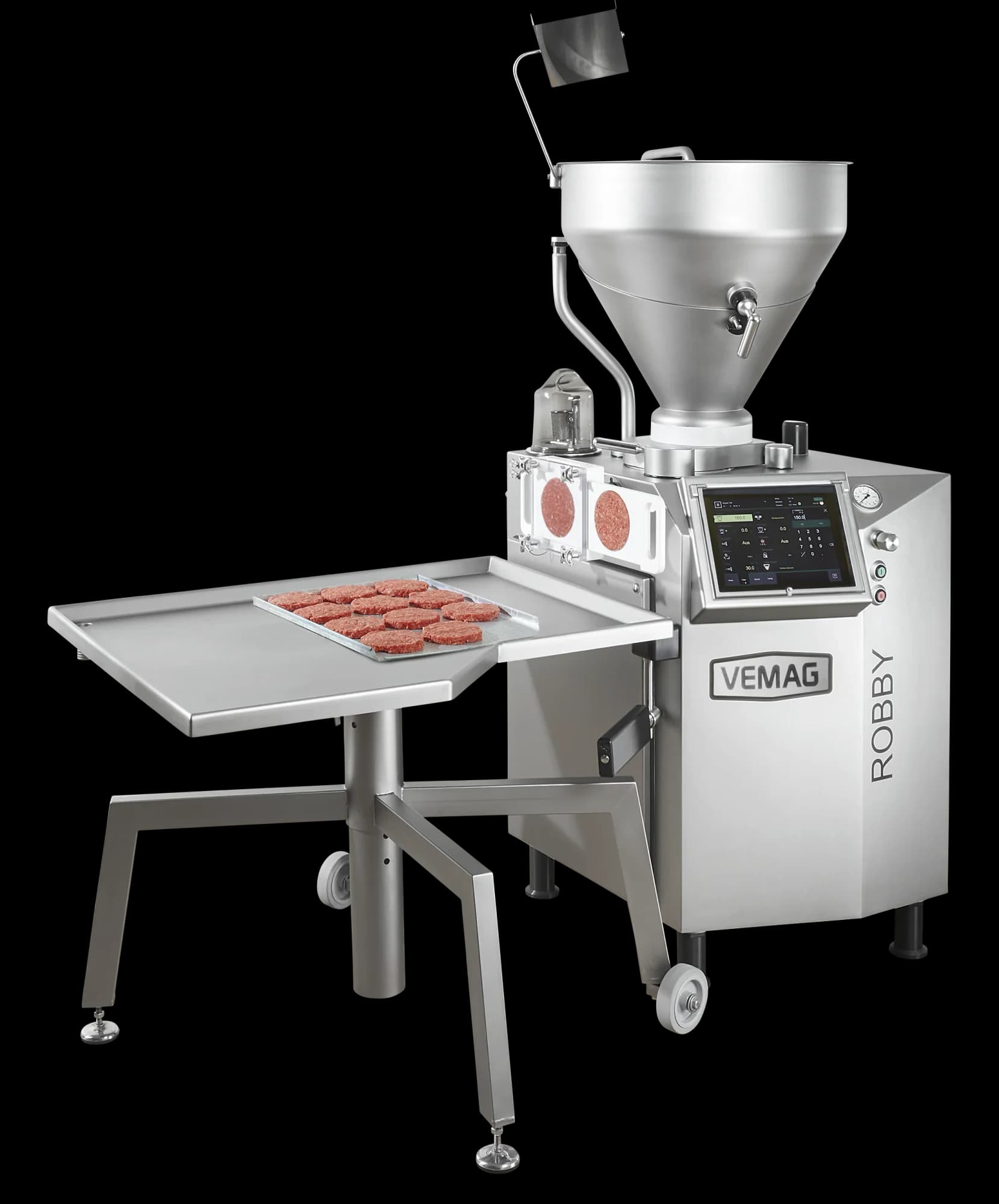
The BF255 burger former and FM250 forming machine offer different forming options. Compare shapes, recipe behaviour and the compatible filler.
Meatballs and tray loading
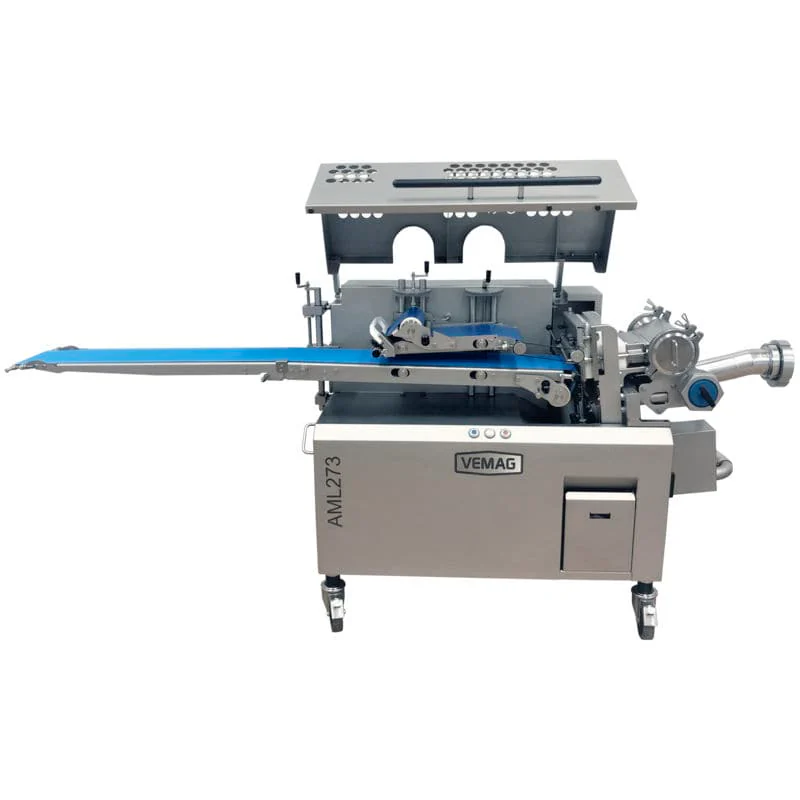
The AML273 forms products including meatballs and loads them onto trays. Discuss the required shape, size and tray arrangement.
Manual burger forming
The MPF818 uses interchangeable forming plates for cylindrical portions and connects to a VEMAG filling machine. Include operator handling in the assessment.
Explore fillers, portioners and forming attachments
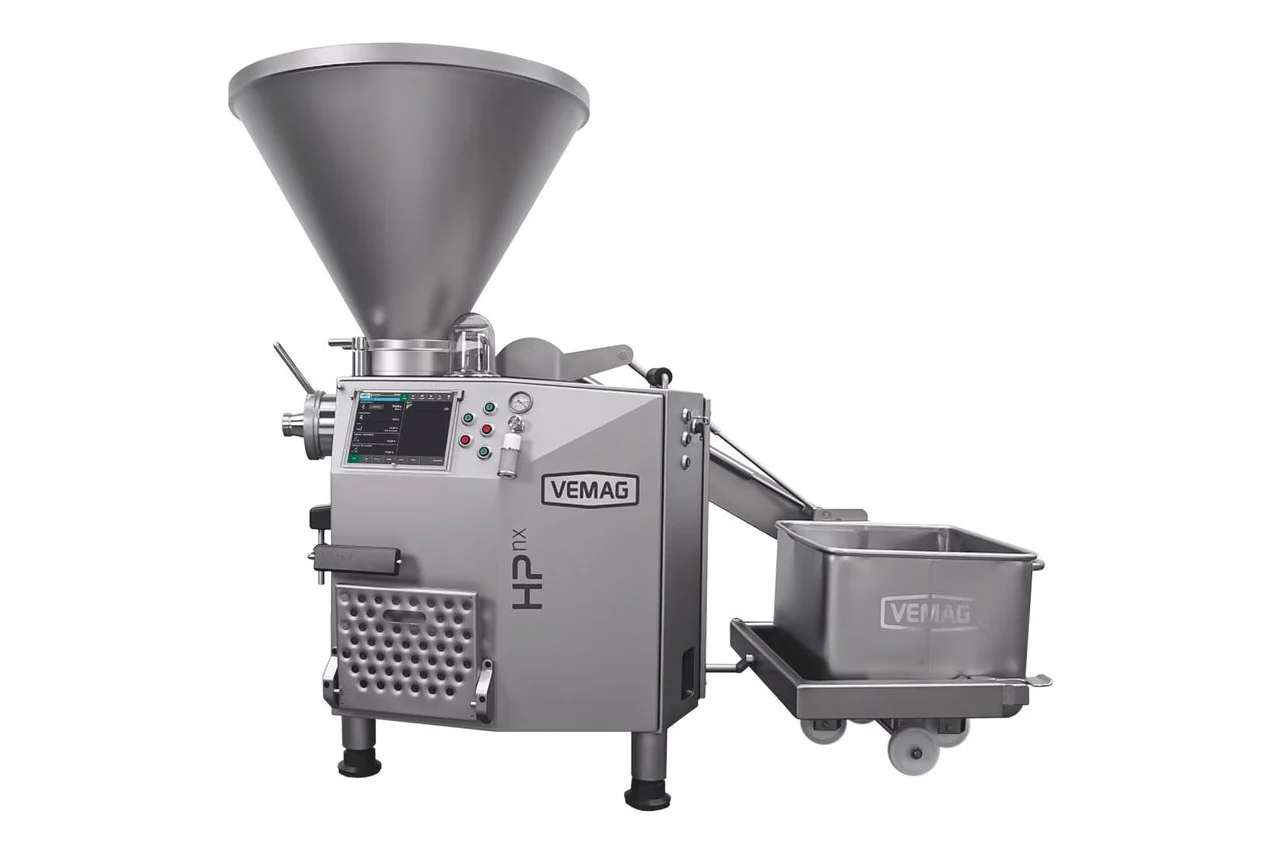
The HP10NX vacuum filler feeds suitable product to a matched portioning or forming setup. The MMP223, BF255, FM250, MPF818 and AML273 address different finished-product and handling requirements. Open each model for its catalogue details.
These models are selection options, rather than a single proposed line. Confirm filler compatibility, attachments, controls and the complete configuration before ordering.
Specify the whole portioning process
Begin with the meat mixture and its preparation. Fat content, particle size, temperature and the ingredients added to the recipe can change how it feeds and forms. Record the upstream grinding or mixing process when discussing a portioner.
Then define what happens after portioning. Products may need paper interleaving, spacing on a conveyor, tray loading or transfer to packaging. The catalogue includes the PI355 paper interleaver for listed forming applications; confirm compatibility with the chosen setup.
- Raw material: describe species, recipe, particle size, fat content and operating temperature.
- Finished portion: specify target weight, dimensions, shape and the texture or appearance you need to retain.
- Production pattern: include target portions per minute or per shift, batch sizes and product changes.
- Product transfer: identify conveyor heights, paper requirements, tray dimensions and the next process stage.
- Site requirements: provide floor space, access, utilities and cleaning arrangements for the complete configuration.
Compare vacuum fillers for meat for the feeding stage, or meat processing systems for preparation and the wider workflow. Connected equipment needs to be assessed as a line.
Assess portion weight, shape and product handling in a trial
Ask about a Customer Centre trial using your meat mixture. Agree the recipe, temperature and preparation method so the trial reflects how you intend to produce it. Confirm the machines available and the trial arrangements with the team.
Define the acceptance criteria before the trial. Check portions through the run, observe shape and texture, and assess how the product transfers to the next stage. Include product changeover and cleaning requirements in the equipment discussion.
- Measure portion weights against your agreed target and tolerance.
- Inspect shape, surface and texture across the intended recipe and temperature range.
- Assess spacing, paper interleaving or tray placement where these are part of the proposed setup.
- Record output alongside operator handling, changeovers and the downstream equipment pace.
Output and portion-weight performance depend on the recipe, setup and subsequent processing. Confirm the results required for your application with the team; a catalogue maximum is not a guaranteed result for every product.
Request a meat portioning system quotation
Send your product brief, portion specification and required output, plus the model of any filler or downstream machine you already operate. Include the site location and planned installation date.
The quotation should identify the filler, portioner or former, attachments and product-transfer equipment included. Agree installation, commissioning, operator training and service arrangements for your site. For an existing machine enquiry, include its serial number.
Questions about meat portioning systems
Which system should I consider for minced meat portions?
The MMP223 is a minced meat portioner listed for combination with HP-series fillers. Specify your product, portion weight and dimensions, and the next handling or packaging stage so the team can assess a configuration.
Can I use a portioning system for burgers and meatballs?
Different attachments serve different products. The BF255 and FM250 are forming options, while the AML273 forms products including meatballs and loads them onto trays. Confirm recipe suitability and the equipment required for each product.
Do I need a new vacuum filler?
Provide the model and serial number of the filler you already use. Compatibility depends on the portioning or forming attachment and the complete configuration. The MMP223 catalogue lists HP-series fillers; other setups need their own compatibility assessment.
Can this equipment portion whole-muscle meat?
The systems described here focus on minced meat and formable mixtures. For intact meat cuts, explore slicers, dicers and strip cutters and discuss the raw material and finished cut with the team.
What portion-weight accuracy and output can I expect?
Ask the team to assess your recipe, portion size, temperature, filler and downstream equipment together. Agree the performance required for your application and discuss a product trial. Published maximum rates should not be treated as guaranteed output for every setup.
Can the portioning equipment feed a packaging line?
Product transfer, spacing, tray format and packaging speed need to be matched. Discuss conveyors, loading and any paper interleaving as part of the configuration. See production lines for the wider planning process.
Contact
Discuss your meat portioning requirements
Send your recipe details, target portion weight, shape and output. We can discuss fillers, portioning attachments, forming equipment and trials for your application.
- Australia(07) 3829 3868
- New Zealand+64 9 415 0137
- Salessales@vemag.com.au