
Dough portioning machines
Choose dough portioning machines around your recipe, portion weight and shape. Compare dividing, cutting and mould-filling options for your bakery.
Start with the dough and the portion you need
Dough portioning machines separate a prepared dough into repeatable portions for the next production step. Depending on the configuration, dough is metered through an outlet and cut, shaped with a nozzle or placed directly into a mould. Vemag Australia supplies bakery portioning equipment for producers in Australia and New Zealand.
Wheat bread dough, rye dough, gluten-free recipes and cookie mixtures do not all behave the same way. Describe the dough condition and the finished portion before comparing models. The receiving belt, tray or mould is part of that decision.
Bread, buns and rolls
Assess the dough type and portion format, then plan how pieces enter the existing shaping, proving and baking stages.
Pizza dough
Compare the weight and shape required for each base, including how the portion moves into the following process.
Cookies and shaped portions
Forming nozzles and cutting arrangements provide different shapes. Compare those options with depositing directly onto a tray.
Dough portioning machines and cutting options
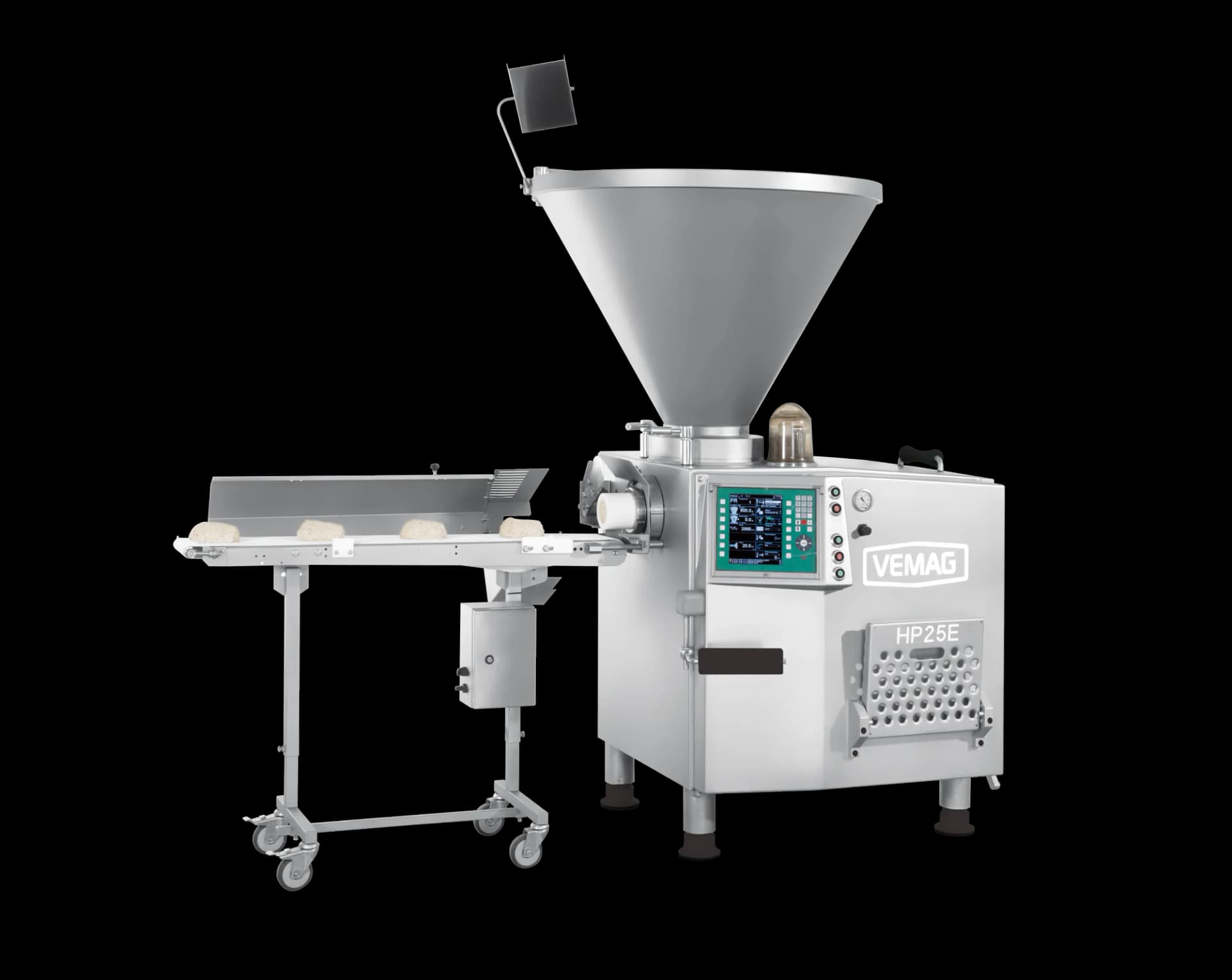
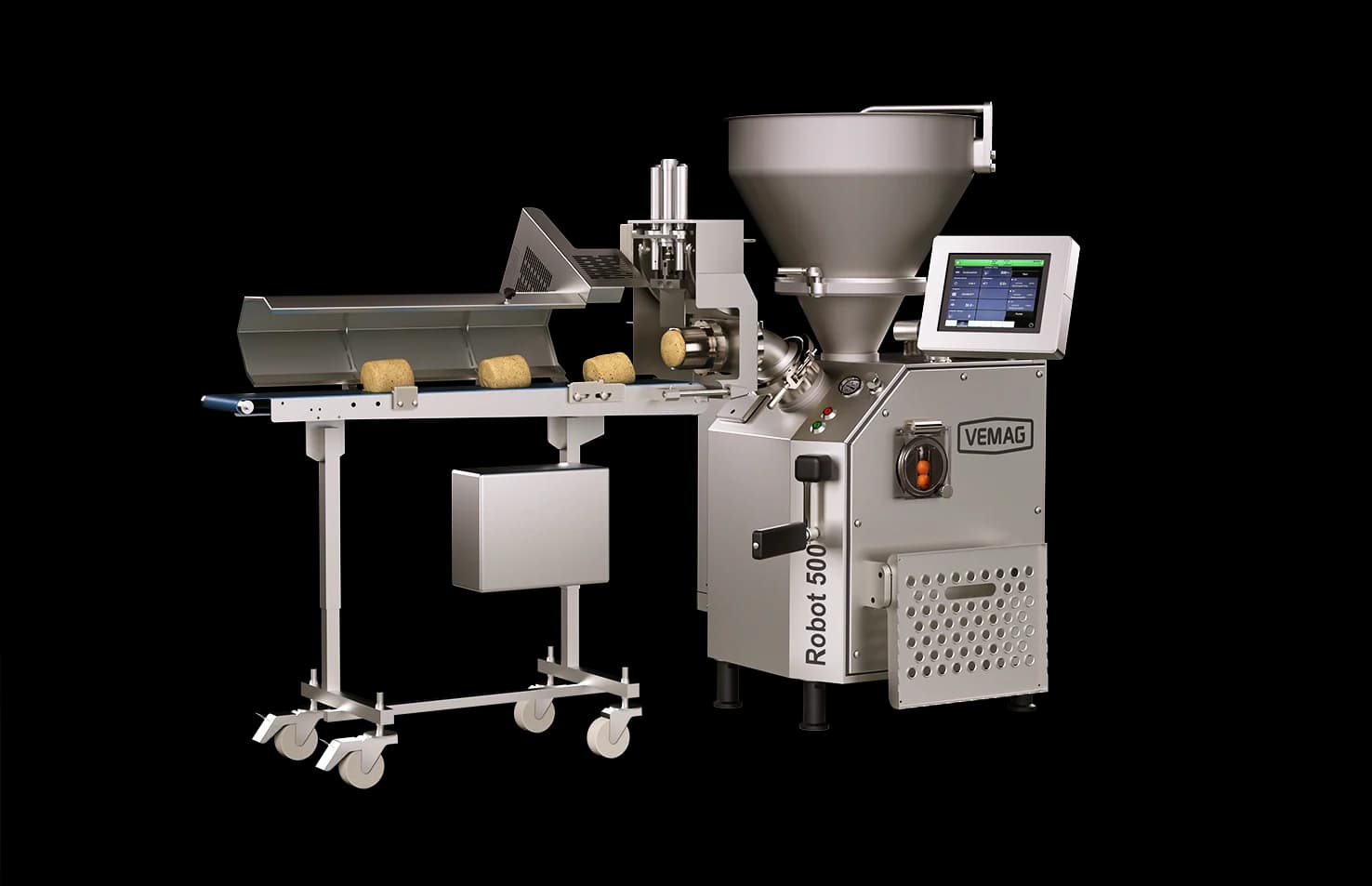
The selection below includes complete dividing arrangements, cutters and a filling head. They are alternatives for different jobs, not a set of machines to connect in sequence. Confirm what feeds each device and which filler, attachment and transfer arrangement the quotation includes.
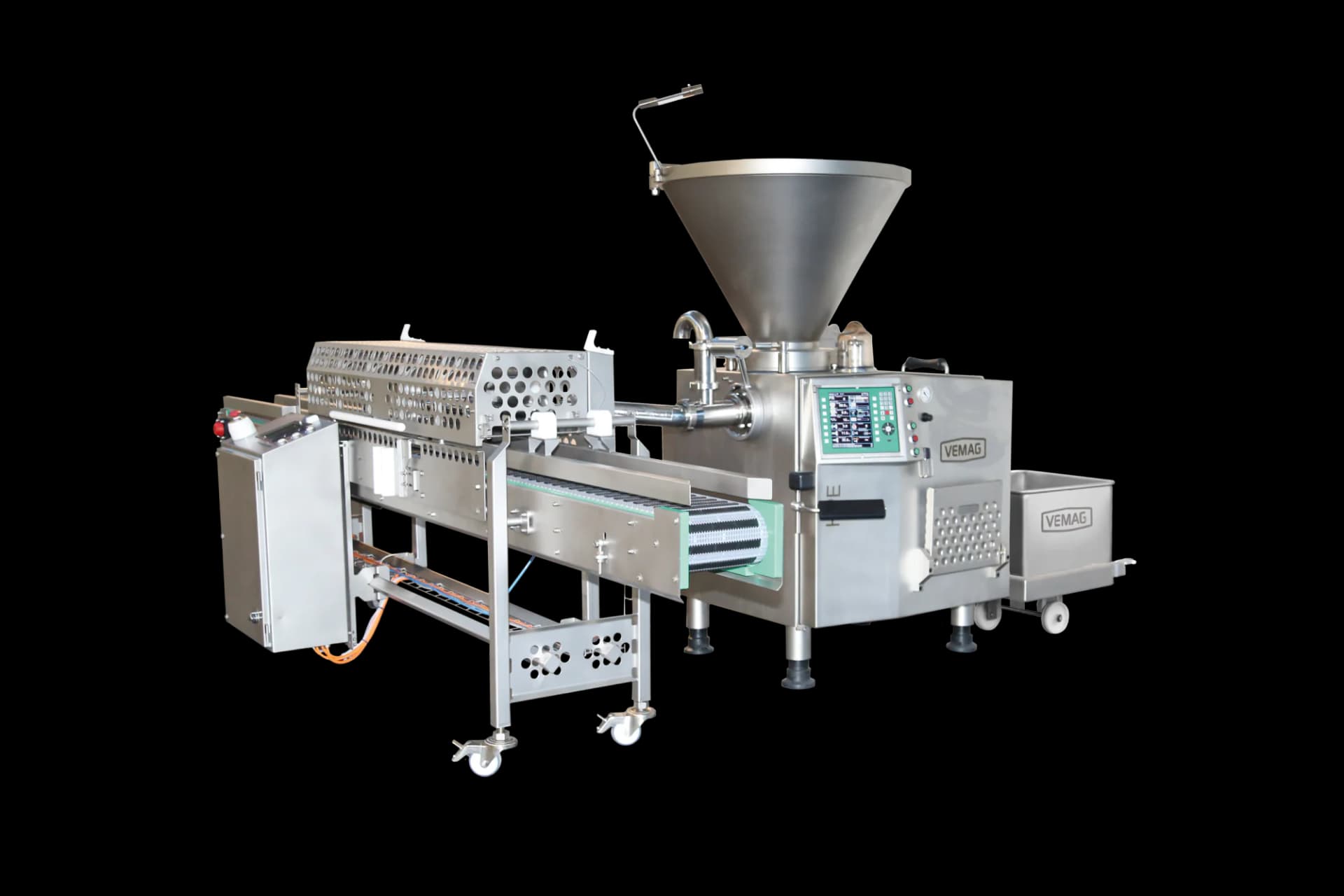
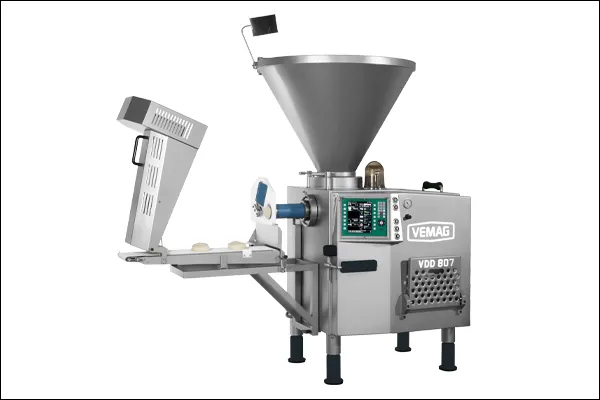
| Machine | Production task | Discuss with the sales team |
|---|---|---|
| ASV808 | Servo cutter with alternating blade and changeable outlet nozzles | Dough, portion shape and the proposed feeding machine |
| ASV811 | Portions several dough types and dispenses cookie or bar mixtures | Dough condition, belt treatment and filling or sheeting options |
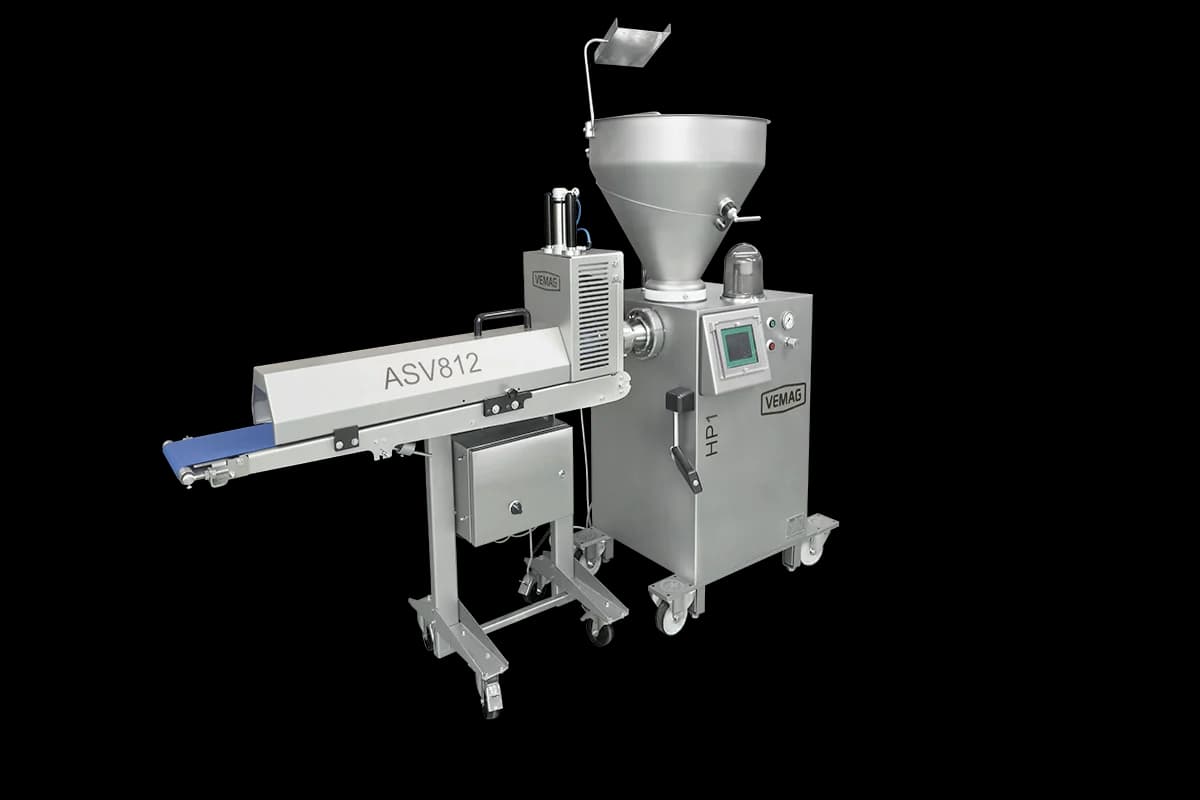
| ASV812 | Portions and shapes dough through forming nozzles with a knife or wire cutter | Nozzle shape, cutter, dough and compatible feeding arrangement |
| Rotary Filling Head 863 | Portions suitable doughs and mixtures directly into moulds | Recipe, mould, filler and the full connection scope |
| VDD807 | Divides high-wheat dough with an integrated cutter and conveyor | Feeding configuration and transfer into the next process |
| VDP230 | Portions wheat-based dough with two separately driven cutting devices | Dough, portion format, lanes and receiving equipment |
Match the portioning method to the product
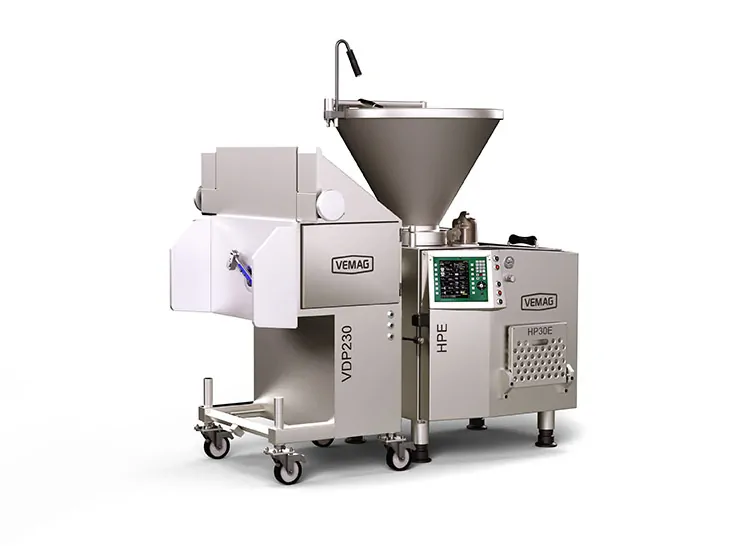
For wheat-based bread and pizza dough, VDP230 uses two separately driven cutting devices. VDD807 is described for dough with a high wheat content and includes a cutting device and conveyor. Compare the lane and discharge arrangement against the next step in your process.
ASV808 uses a servo-driven alternating blade and quick-change outlet nozzles for dough portions. ASV811 is described for rye, wholemeal, wheat and gluten-free doughs, as well as dispensing cookie and bar mixtures. Its description includes belt flouring or oiling for soft doughs and options such as a sheeting horn or filling heads.
ASV812 lists forming nozzles for shapes such as rounds, hearts and stars, with an optional knife or wire cutter. Rotary Filling Head 863 takes another route, placing dough and suitable mixtures directly into moulds. Its listed applications include rye, wholemeal and gluten-free doughs and cake mixes.
Details to compare before choosing a portioner
Give the team a typical recipe and the range of portions you intend to make. Include what changes during the day: dough types, portion weights, shapes, lane requirements and cleaning. A catalogue rate does not establish the output of your actual process.
- Flour and dough type, inclusions, hydration and product temperature.
- Target portion weight, dimensions and shape, plus the expected product range.
- Whether the portion goes onto a belt, onto a tray or directly into a tin or mould.
- Required production rate and the number of lanes the next stage can receive.
- Existing feeding equipment and the connection to a cutter, nozzle or filling head.
- Loading, cleaning, recipe changes, utilities and access around the proposed machine.
Ask which parts are changed when you move between products and how the proposed configuration is cleaned. The available options depend on the specific machine and recipe.
Assess portion weight with the dough you run
Evaluate portion shape, weight and handling using a representative dough. Record the dough condition, target portion and receiving arrangement so comparisons between proposed configurations are meaningful. Agree the assessment criteria with the sales team before a trial.
The VPC715 Process Check is listed for bakery production and weighs dough portions. Discuss whether continuous checking or another weight-control arrangement suits your process and how results will be acted on. A checkweigher is a separate part of the proposed setup.
When a depositor is the better starting point
If the main task is filling a tin, moving portions across a baking tray or dosing a cream or filling, start with the receiving container as well as the dough. A divider cuts a metered flow into pieces; a depositor places a measured portion into or onto something.
The FT722 filling table moves a tray in the X and Y directions and can also position tins or jars for filling. Rotary Filling Head 863 is another mould-filling option. For the wider range, explore depositors and container filling machines.
For the stages around the portioner, see bakery production lines. That page covers transfers, weight checks and packaging; this page focuses on selecting the portioning operation.
Trial the recipe and define the equipment scope
Discuss a trial at the Vemag Australia Customer Centre using your own dough or mixture. Confirm the available equipment and the proposed recipe, portion range and assessment criteria before arranging the visit.
Request a quotation that identifies the feeding machine, portioner or cutter, nozzles, belts, controls and any further attachments. Send the team your current equipment details, site layout, required output and planned timing. Confirm pricing, availability, installation and training requirements in the proposal.
The service team supports installation, operator and maintenance training, maintenance and repairs. Discuss cleaning, access and genuine spare parts for the proposed configuration.
Dough portioning machine questions
What does a dough portioning machine do?
It separates prepared dough into individual portions for the next process. The configuration may meter and cut a dough flow, form it through a nozzle or portion it directly into a mould. The dough, portion weight, shape and receiving format determine the appropriate approach.
Which machines are listed for bread and pizza dough?
VDP230 is described for wheat-based toast bread, sandwich bread and pizza dough. VDD807 is described for dough with a high wheat content, and ASV808 names wholegrain bread, pizza dough and toasting bread. Suitability depends on your recipe and the proposed feeding and transfer arrangement.
Are there options for rye and gluten-free dough?
ASV811 and ASV812 list rye, wholemeal, wheat and gluten-free doughs. Rotary Filling Head 863 also lists rye, wholemeal and gluten-free doughs and cake mixes. Discuss the actual recipe and a product trial rather than assuming all recipes can use the same setup.
Can a portioner make different shapes?
Some configurations use interchangeable nozzles or different cutters. ASV812 lists variable forming nozzles, including round, heart and star shapes, and an optional knife or wire cutter. Confirm the dough, dimensions and model configuration for the shapes you need.
Is dough portioning the same as depositing?
The operations overlap but the receiving format differs. Dividing cuts portions from a metered flow, while depositing places measured product onto a tray or into a tin, mould or other container. Start with the finished product and where each portion must land.
How do I request a quotation for dough portioning equipment?
Send the recipe type and dough condition, portion weights and shapes, target output, lane requirements and existing equipment. Include the receiving tray, belt or mould and your site information. The team can discuss the feeding configuration, trials, installation and training to include in the quotation.
Contact
Find the portioning method for your dough
Tell us about your recipe, target portions and receiving belt, tray or mould. Discuss equipment selection, product trials and the quotation requirements.
- Australia(07) 3829 3868
- New Zealand+64 9 415 0137
- Salessales@vemag.com.au