
Cookie extruders
Cookie extruders need to handle your dough and deliver the shape, portion and spacing your bakery requires. Vemag Australia helps Australian and New Zealand producers specify cookie forming and depositing equipment around the recipe. Start with the feeding machine, nozzle and cutting method, then plan how each portion reaches the belt or baking tray.
Start with the cookie you want to produce
Send a finished cookie or photograph alongside the recipe and the unbaked portion weight. A round dough piece, a shaped biscuit and a piped cookie place different demands on the outlet. Describe the dough at the point it enters the machine, including its temperature, consistency and any chocolate, fruit or nut inclusions.
An enquiry for cookie extruders should identify the complete forming task: feeding the dough, moving it through the selected outlet, separating portions and placing them for the next step. VEMAG offers modular dough feeding and attachment arrangements. The cutter or filling table is one part of that setup, so choose the components together.
The cookie application catalogue lists equipment across processing and packaging. This guide focuses on specifying the dough-to-portion step. For bread, pizza and the wider dividing range, see dough portioning machines.
Cookie feeding, forming and tray-depositing options
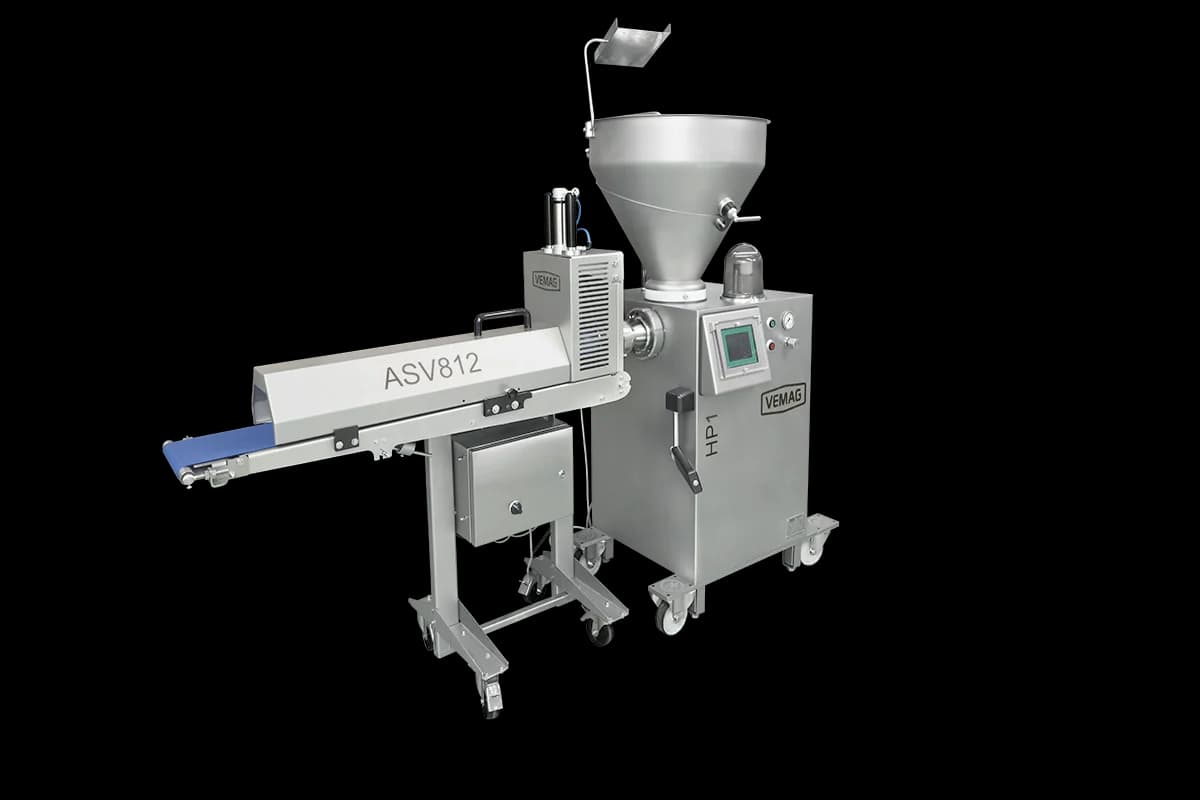
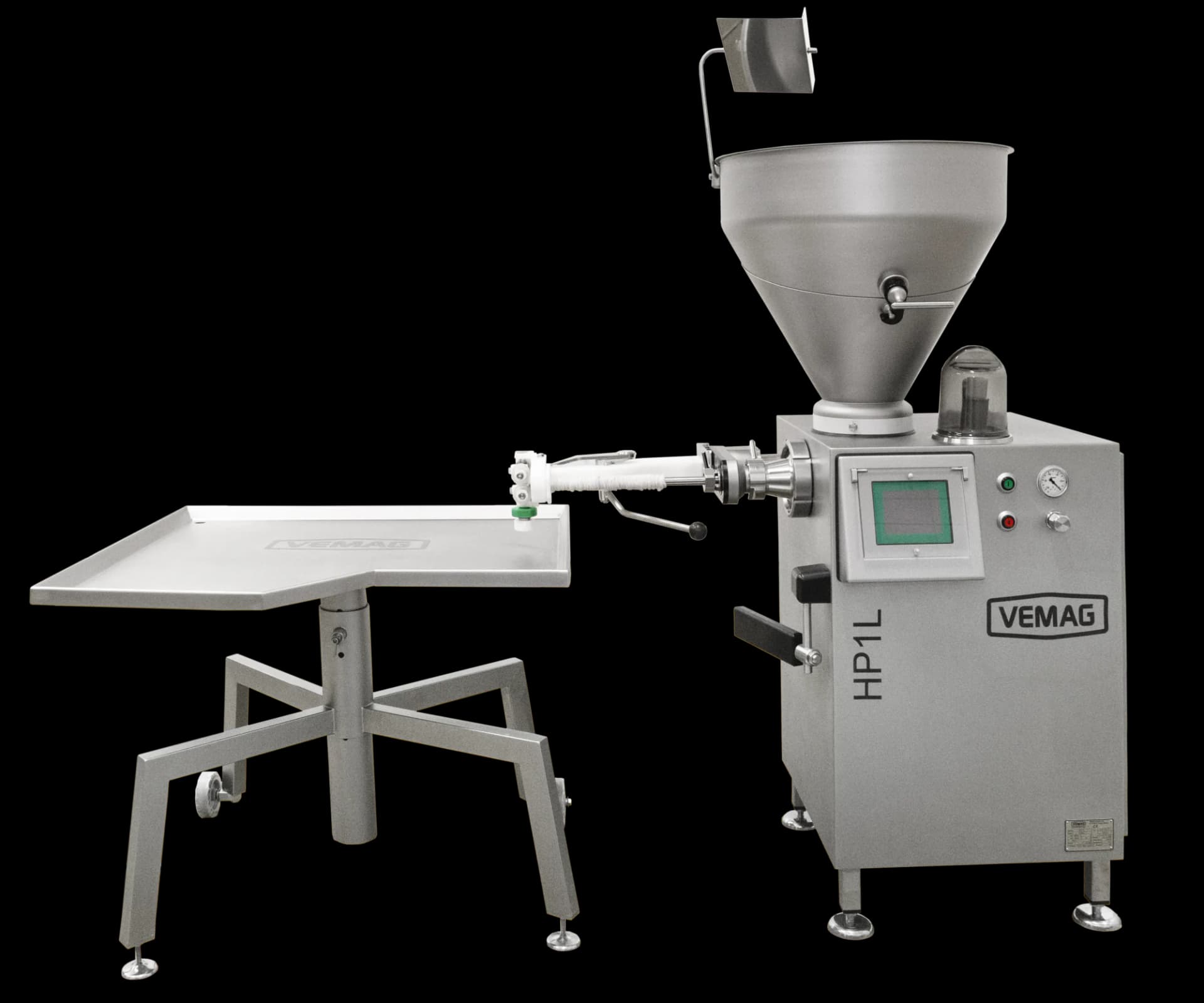
The HP1 supplies dough to the forming attachment. VEMAG’s fine baked goods guidance identifies the HP1 with the ASV812 for cookie and shortcrust dough. The ASV812 is a cutting attachment; its Australian catalogue entry lists interchangeable forming nozzles, including round, heart and star shapes, with an optional knife or wire cutter.
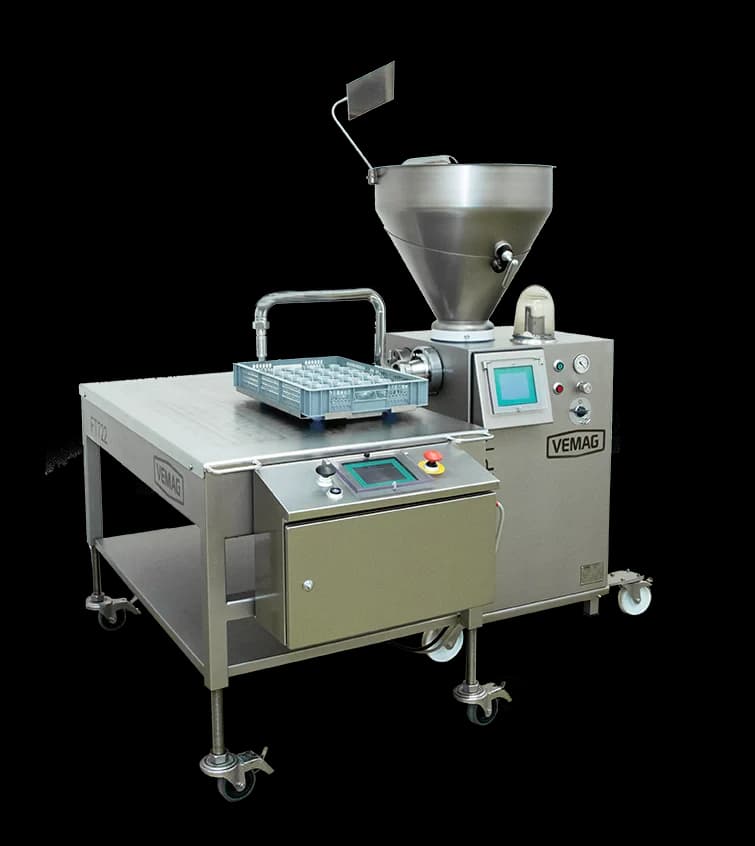
For placing portions on baking trays, the FT722 filling table moves the tray in the X and Y directions. Its listed uses include cookie dough, batter, fillings and creams. Discuss the outlet, depositing pattern and dough feeding arrangement as part of the proposed configuration.
Compare these components by the job each performs. Ask the team to identify the filler, feeding element, attachment, controls and discharge arrangement in the quotation. Confirm the setup with your own dough before using a published machine rate to plan finished-cookie output.
Choose the nozzle, separation and placement method
Tell us whether the portion should be cut off at the nozzle, piped onto a surface or placed for another handling step. The knife or wire option, outlet shape and receiving surface need to be selected for the actual recipe. Include the smallest and largest products you want to run so change parts can be identified.
Record the portion before baking and the appearance after baking separately. If spread or shape retention matters, agree a trial that follows the dough portions through your baking process. This gives the equipment discussion a defined product target.
Shaped portions
Start with the unbaked outline and dimensions. Compare forming nozzles and the separation method against the dough and the finished appearance you need.
Portions on baking trays
Provide tray dimensions, the usable area and the required row pattern. Discuss the FT722 for positioning the tray beneath the outlet.
The dough feeding stage
Include batch size, hopper loading and dough condition. Discuss the HP1 and the attachment as one proposed production setup.
Assess inclusions and dough condition
Supply the production recipe and explain how it is mixed, rested and brought to the machine. Include normal batch variation and the time dough spends waiting before forming. A trial brief should reflect the conditions your operators will encounter during a shift.
For chocolate chips, nuts, fruit or other pieces, provide their dimensions and the appearance you need to retain. Ask for the feeding and outlet arrangement to be assessed with those inclusions present. Changing a nozzle or a dough temperature can be part of the trial plan; the accepted recipe and settings should be recorded with the results.
- Dough: recipe, preparation method, resting time and temperature at the hopper.
- Inclusions: type, size, quantity and the appearance required in the formed portion.
- Portion: unbaked weight, dimensions, outline and your acceptable variation.
- Product range: recipes, portion sizes and nozzle changes during a normal shift.
- Cleaning: ingredients, allergen changes and access needed between products.
Plan the tray pattern and the next production step
Provide a dimensioned tray drawing or an actual tray, including rim height and the area available for depositing. Mark the required number of rows, spacing and orientation. Explain how operators load empty trays, remove filled trays and move them to the next stage.
For a belt-based process, record the receiving height, available width and the transfer to the next operation. Include any paper, lining or manual handling used at that point. The layout should show the equipment and the access needed to change an outlet, load dough and clean around the machine.
If the project also includes checking, baking transfers or packaging, keep those stages in the same production brief. Our bakery production lines guide covers the wider sequence; this page helps define the cookie forming and placement requirement.
Test the recipe, then agree the working configuration
Discuss a product trial through the Vemag Australia Customer Centre. Confirm the equipment and arrangements available for your recipe before booking. Bring the normal dough and inclusions, the target portions and the tray or receiving-surface details.
Agree the observations before the run: portion weight, outline, separation at the outlet, inclusion condition, tray position and the handoff to the next process. Include a representative product change so the proposed setup can be assessed across the range you intend to make.
Record the machines, feeding element, nozzle, cutter, recipe condition and settings used. Ask for the quotation to identify that configuration and any changes still needed. Establish your required output with allowance for loading, handling, changeovers and cleaning.
Request a cookie extrusion equipment quote
Send your cookie or product drawing, recipe brief, unbaked portion range and required production pattern. Include the tray layout or receiving belt details and any equipment already in use. For a replacement attachment, provide the existing filler model and connection information.
Ask the quotation to define the dough feeding machine, attachment, nozzles, cutting arrangement, tray or belt handling, controls and change parts. Confirm installation requirements, training and support for your site, along with the trial work needed before the final specification.
Cookie extruder questions
Which VEMAG machines can be discussed for cookie extrusion?
For a cookie forming enquiry, start with the HP1 dough feeding machine and ASV812 cutting attachment. VEMAG documents this combination for cookie and shortcrust dough. The FT722 is an option to discuss for depositing onto trays. The final arrangement depends on the recipe, outlet and receiving layout.
Can I make different cookie shapes?
The ASV812 catalogue lists variable forming nozzles, with round, heart and star examples, and an optional knife or wire cutter. Provide the required outline, dimensions and dough so the team can assess the nozzle and separation method. Confirm which change parts are included.
What information is needed for cookies with chocolate chips or nuts?
Provide the production recipe, inclusion dimensions and quantity, dough condition and the appearance you need to retain. Use those ingredients in the trial and inspect the formed portions. Agree any product-specific limitations before specifying the equipment.
How are portions placed on baking trays?
The FT722 moves a tray in the X and Y directions for filling or depositing tasks, including cookie dough. Send the tray dimensions, usable area and required spacing. Confirm the feeding and outlet setup, tray handling and depositing pattern with the team.
How much does a cookie extruder setup cost?
Request a quotation for the full configuration. Price depends on the feeding machine, attachment, outlet parts, tray or belt handling and the scope required at your site. Include the recipe brief and production target so the quoted equipment addresses the process you intend to run.
Contact
Discuss your cookie extrusion setup
Send your dough recipe, portion requirements and tray layout. Discuss the feeding machine, forming attachment, product trial and quotation scope.
- Australia(07) 3829 3868
- New Zealand+64 9 415 0137
- Salessales@vemag.com.au